
01
First impressions
Thin-slicing, warmth and competence, and the nonverbal cues that land before a pitch begins. Teams practice how they enter a room — and how they recover when the first beat misses.
Seminars
Start with a proven seminar — Psychology of Sales — or ask for a program built around a different brief. Either way, the material is written for your team, not pulled off a shelf.
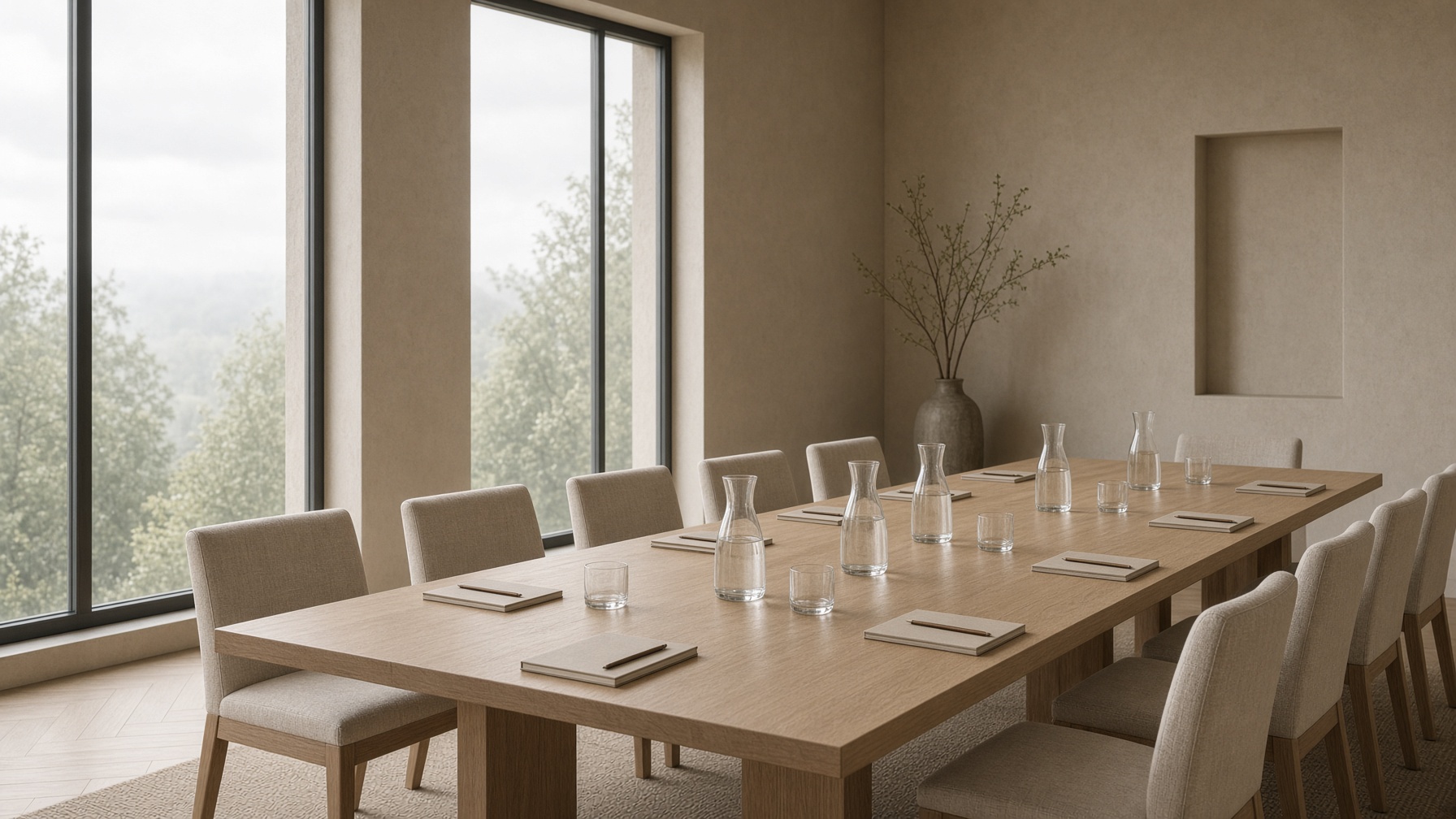
Flagship
A corporate sales seminar grounded in psychological science. Teams leave with language, drills, and a clearer sense of what they are doing in the first minute of a conversation — and in the quiet middle of one.
01
Thin-slicing, warmth and competence, and the nonverbal cues that land before a pitch begins. Teams practice how they enter a room — and how they recover when the first beat misses.

02
Reciprocity, authority, social proof, and commitment as they show up in real accounts. We separate what the research supports from what sales folklore repeats, and we stay on the ethical side of influence.

03
Reflecting, pacing, and asking the question that opens the conversation instead of closing it. Listening is treated as a skill with drills, not a personality trait.
Sales teams, revenue leadership, client success, community organizations, and any group whose results depend on a conversation. whose results depend on a conversation. Formats flex to the calendar you actually have.
Three and a half hours. One focused problem, live practice, a debrief the team can use the next morning.
A complete seminar with modules, role-play, and a working session against your own accounts or scripts.
Several sessions over weeks so skills have time to stick. Best when a team is changing how it sells, leads, or listens.

Not every team needs the psychology of sales. Some need help with first meetings, with listening under pressure, with how a leadership group shows up when the room is tense. Send the problem. The seminar is designed around it.
Consulting is available when a one-day training is not enough — a longer look at how the organization talks, sells, or leads, with psychology as the lens.
01
You describe the team, the pressure, and what “better” would look like. A sales group talking past clients is a different day than a leadership group under strain.
02
Prismatic Pathways builds a seminar around that brief — objectives, exercises, and language that sound like your organization, not a canned deck.
03
Delivery on-site or virtual. Small enough to work. Everyone practices. Nothing is left as a slide they will not open again.
04
Notes, prompts, and an optional return session so the work survives the week after.
Share the room you want to change. Prismatic Pathways will design a seminar around it — or say plainly if another approach would serve you better.